top of page

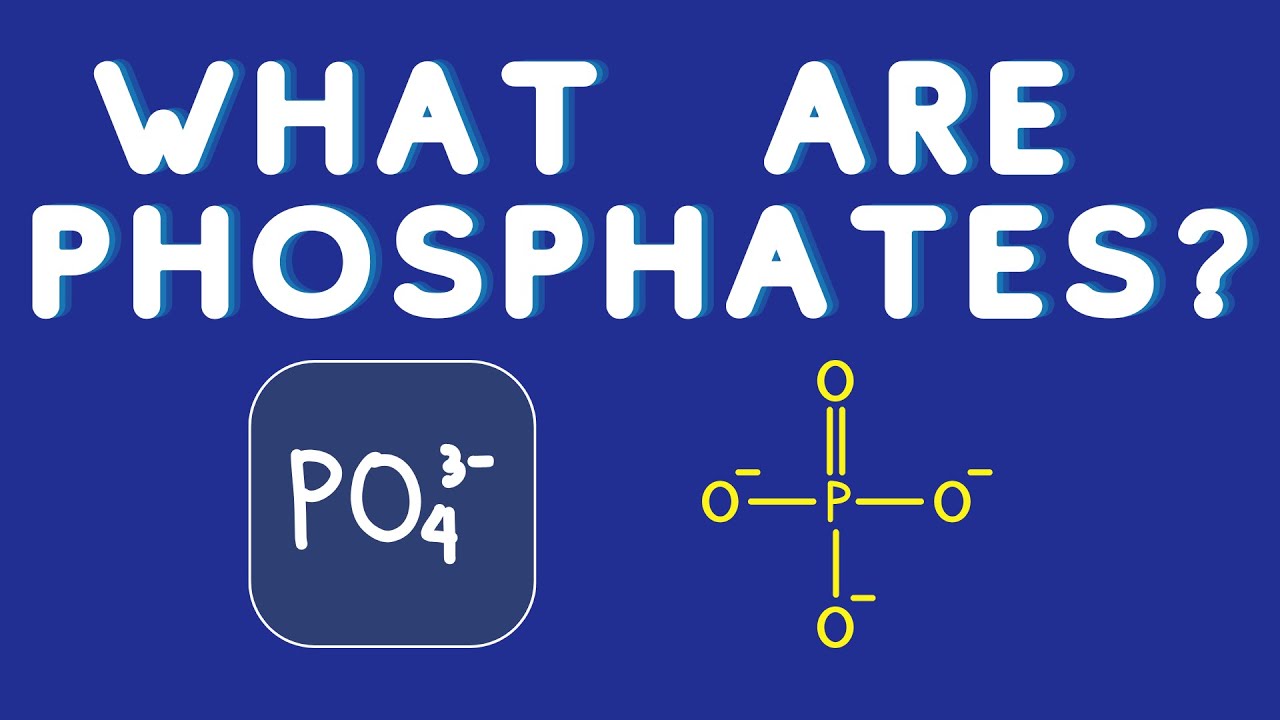
Phosphates in Aquariums: When They Help, When They Hurt, and How to Control Them
Phosphate has earned a suspicious reputation in the aquarium hobby. When algae appears, phosphate is often marched into the interrogation room before the test kit has even been opened.
The truth is less convenient: phosphate is not automatically bad.
Plants, corals, algae, bacteria, and other living organisms require phosphorus. Trouble begins when phosphate accumulates beyond what the aquarium can use—or when it falls so low that plants and corals cannot grow properly.

Nix
Sep 313 min read

Low-Maintenance Aquarium Plants That Are Actually Beginner-Friendly
Live aquarium plants have a reputation for being complicated. Between specialized lights, fertilizers, substrates, and CO₂ systems, a beginner can easily assume that every planted tank requires a science degree and a cabinet full of equipment.
Fortunately, plenty of aquarium plants are much less demanding.
Nix
Aug 2612 min read
Aquarium CO₂ Guide: The Secret Behind Better Plant Growth
Live aquarium plants need light, nutrients, and carbon dioxide to grow. Most planted tanks already contain some CO₂ from fish respiration, bacteria, and natural gas exchange. The problem is that demanding plants may use that supply faster than the aquarium can replace it.
Adding CO₂ can improve plant growth, color, and overall health. It can also make carpeting plants and other demanding species much easier to keep.
Still, a CO₂ system is not a magic button. Light, fertilizer
Nix
Aug 127 min read

The Fish Files
bottom of page